

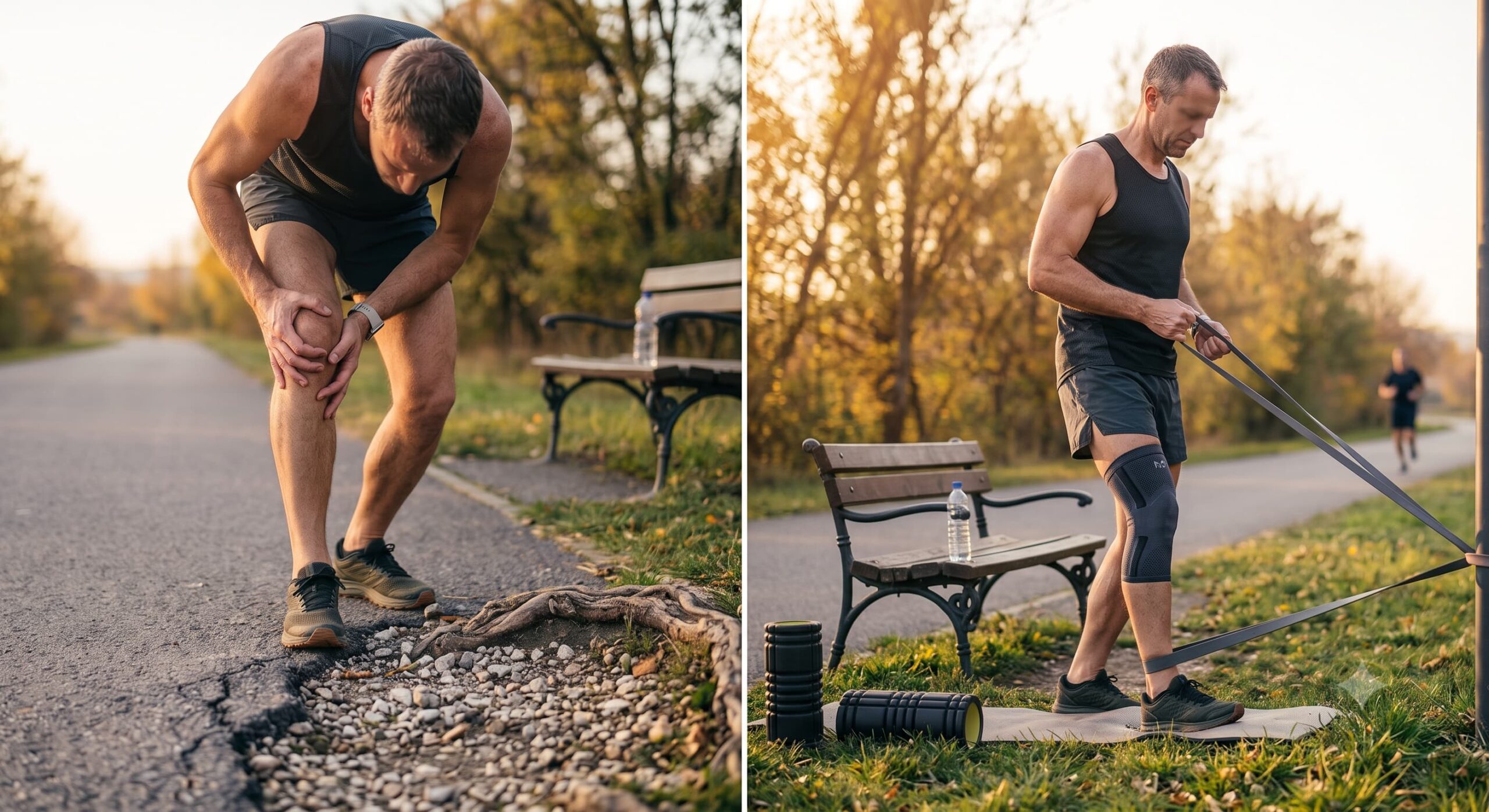
Meniscus Tears in Agility Athletes: Non-Surgical vs. Surgical Decisions
Important Disclaimer: The information provided in this article is for educational and informational purposes only and does not constitute direct medical advice. Knee injuries, particularly those involving catching, clicking, or locking of the joint, require professional clinical assessment. Always consult with a licensed healthcare practitioner or medical doctor for a proper clinical diagnosis and personalized treatment plan before beginning any physical rehabilitation program. Meniscus Tears in Agility Athletes: Non-Surgical vs. Surgical Decisions You are in the middle of a high-intensity workout. Maybe you are pivoting sharply on a turf field, planting your foot in the lacrosse box to change direction, or dropping...

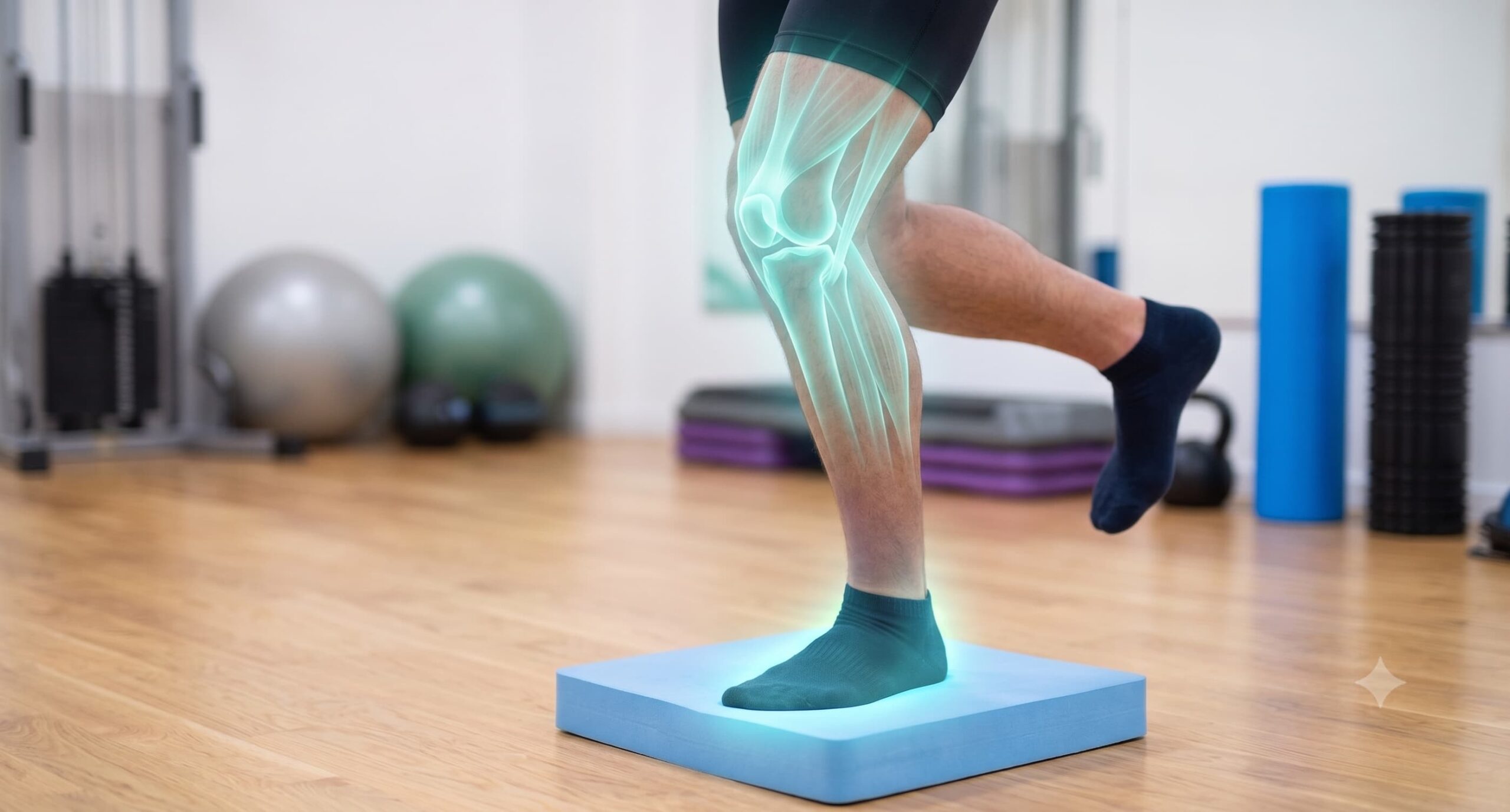
Patellar Tendinopathy: Catching Anterior Knee Pain Early in Lifters
Important Disclaimer: The information provided in this article is for educational and informational purposes only and does not constitute direct medical advice. Knee pain can stem from various structural issues, including ligament tears and meniscus damage. Always consult with a licensed healthcare practitioner for a proper clinical diagnosis and personalized treatment plan before beginning any physical rehabilitation program. Patellar Tendinopathy: Catching Anterior Knee Pain Early in Lifters Patellar Tendinopathy: Catching Anterior Knee Pain Early in Lifters You're squatting heavy, and there's a sharp ache right at the base of your kneecap. It's not unbearable—you can still move through it—but it's there. You ignore...
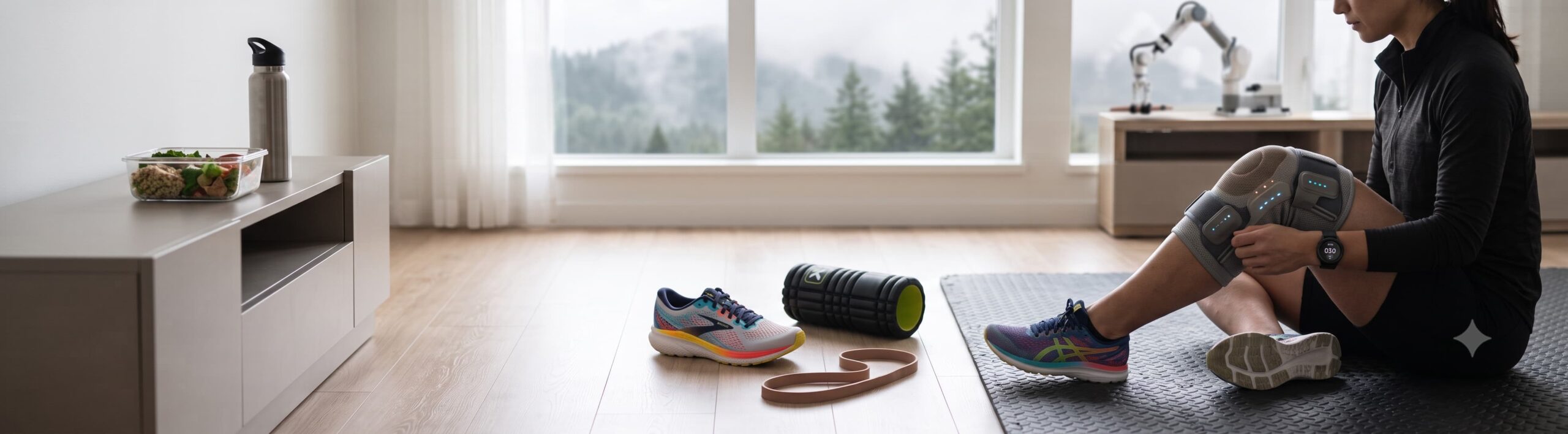
Runner’s Knee (Patellofemoral Pain Syndrome): Decoupling Cadence from Joint Load
Important Disclaimer: The information provided in this article is for educational and informational purposes only and does not constitute direct medical advice. Knee pain can stem from various structural issues, including ligament tears and meniscus damage. Always consult with a licensed healthcare practitioner for a proper clinical diagnosis and personalized treatment plan before beginning any physical rehabilitation program. Runner’s Knee (Patellofemoral Pain Syndrome): Decoupling Cadence from Joint Load As the local racing season approaches and athletes begin peaking their weekly mileage for events like the Vancouver Half Marathon this June, we see a massive influx of runners walking into our Burnaby clinic...
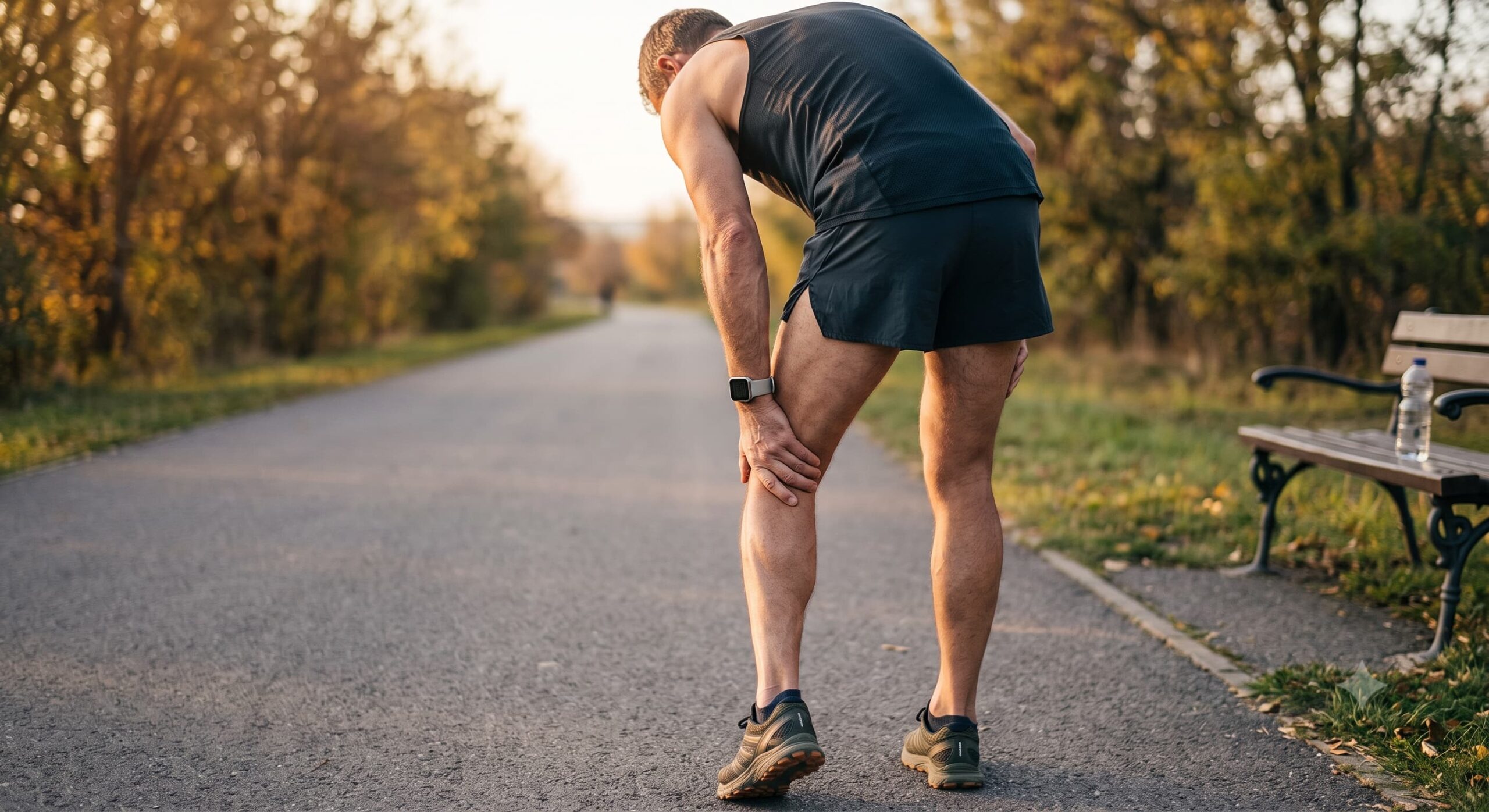
Running a Half Marathon? How to Avoid IT Band Syndrome During Peak Weeks
Important Disclaimer: The information provided in this article is for educational and informational purposes only and does not constitute direct medical advice. Knee pain can stem from various structural issues, including meniscus tears and ligament damage. Always consult with a licensed healthcare practitioner or medical doctor for a proper clinical diagnosis and personalized treatment plan before beginning any physical rehabilitation program. Running a Half Marathon? How to Avoid IT Band Syndrome During Peak Weeks As the weather warms up across British Columbia, the local running community hits the pavement with renewed intensity. With major events like the Vancouver Half Marathon fast approaching...
Understanding Frozen Shoulder: The Phases of Freezing and Thawing
Important Disclaimer: The information provided in this article is for educational and informational purposes only and does not constitute direct medical advice. Severe shoulder pain and restricted mobility require a professional clinical assessment to rule out full-thickness rotator cuff tears or structural damage. Always consult with a licensed healthcare practitioner or medical doctor for a proper clinical diagnosis and personalized treatment plan before beginning any physical rehabilitation program. Understanding Frozen Shoulder: The Phases of Freezing and Thawing It usually starts as a subtle, nagging ache. You notice a slight pinch in your shoulder when you reach into the backseat of your car,...
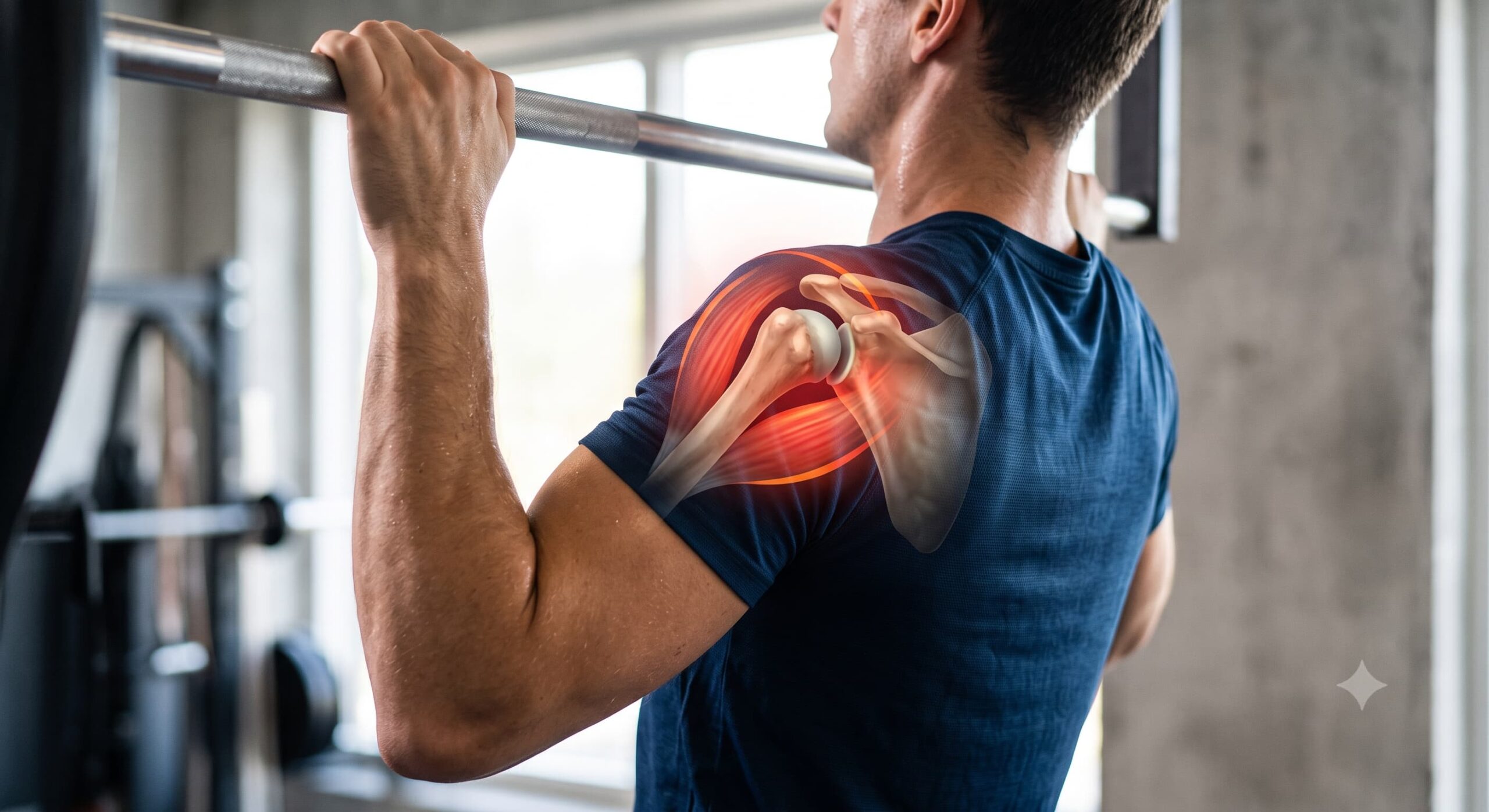
Shoulder Dislocation Rehab: Rebuilding Stability for Pull-Ups, Muscle-Ups, and High-Performance Athletics
Important Disclaimer: The information provided in this article is for educational and informational purposes only and does not constitute direct medical advice. Every musculoskeletal injury, especially traumatic dislocations, is unique. Always consult with a licensed healthcare practitioner or medical doctor for a proper clinical diagnosis and personalized treatment plan before beginning any physical rehabilitation program. Shoulder Dislocation Rehab: Rebuilding Stability for Pull-Ups, Muscle-Ups, and High-Performance Athletics If you have ever experienced a shoulder dislocation, you know it is a uniquely terrifying sensation. Whether it happened during a heavy snatch, a violent collision on the lacrosse floor, or a slip on a Burnaby...
Bicep Tendonitis in High-Volume Pull-Ups: Managing Anterior Shoulder Stress
Important Disclaimer: The information provided in this article is for educational and informational purposes only and does not constitute direct medical advice. Anterior shoulder pain can stem from various structural issues, including labral tears and rotator cuff damage. Always consult with a licensed healthcare practitioner for a proper clinical diagnosis and personalized treatment plan before beginning any physical rehabilitation program. Bicep Tendonitis in High-Volume Pull-Ups: Managing Anterior Shoulder Stress If you are an avid functional fitness athlete, weightlifter, or CrossFit competitor, you know the exhilarating feeling of hitting a massive set of high-volume pull-ups, chest-to-bar gymnastics, or heavy barbell clean-and-jerks. Your conditioning...
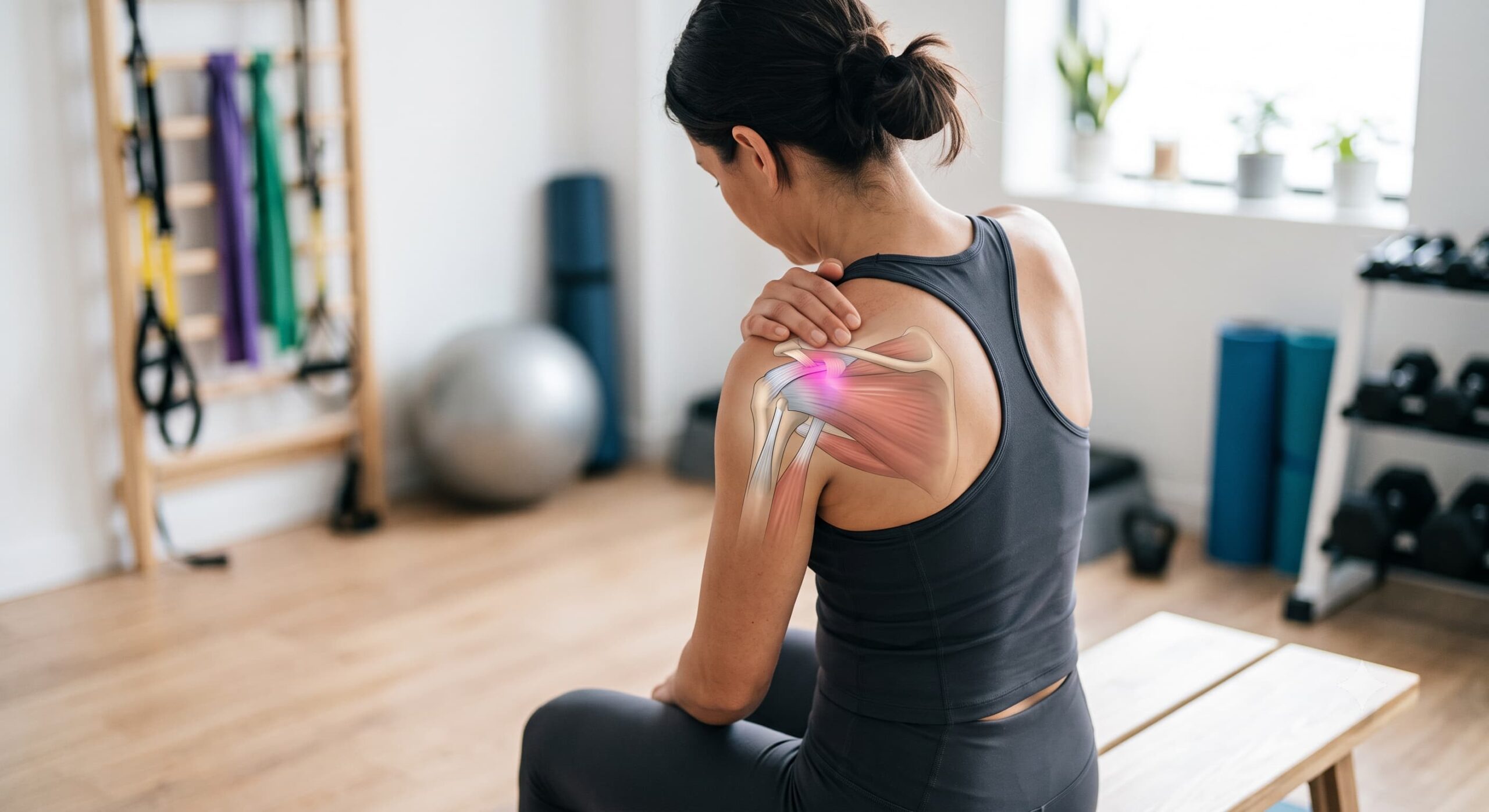
Rotator Cuff Injuries: Symptoms, Causes, and High-Performance Treatment Options
Important Disclaimer: The information provided in this article is for educational and informational purposes only and does not constitute direct medical advice. Musculoskeletal injuries vary wildly in severity. Always consult with a licensed healthcare practitioner or medical doctor for a proper clinical diagnosis and personalized treatment plan before beginning any physical rehabilitation program. Rotator Cuff Injuries: Symptoms, Causes, and High-Performance Treatment Options The human shoulder is an absolute marvel of biomechanical engineering. It is the most mobile joint in the entire body, allowing us to perform an incredible array of complex movements—from throwing a lacrosse ball at high velocity and locking out...
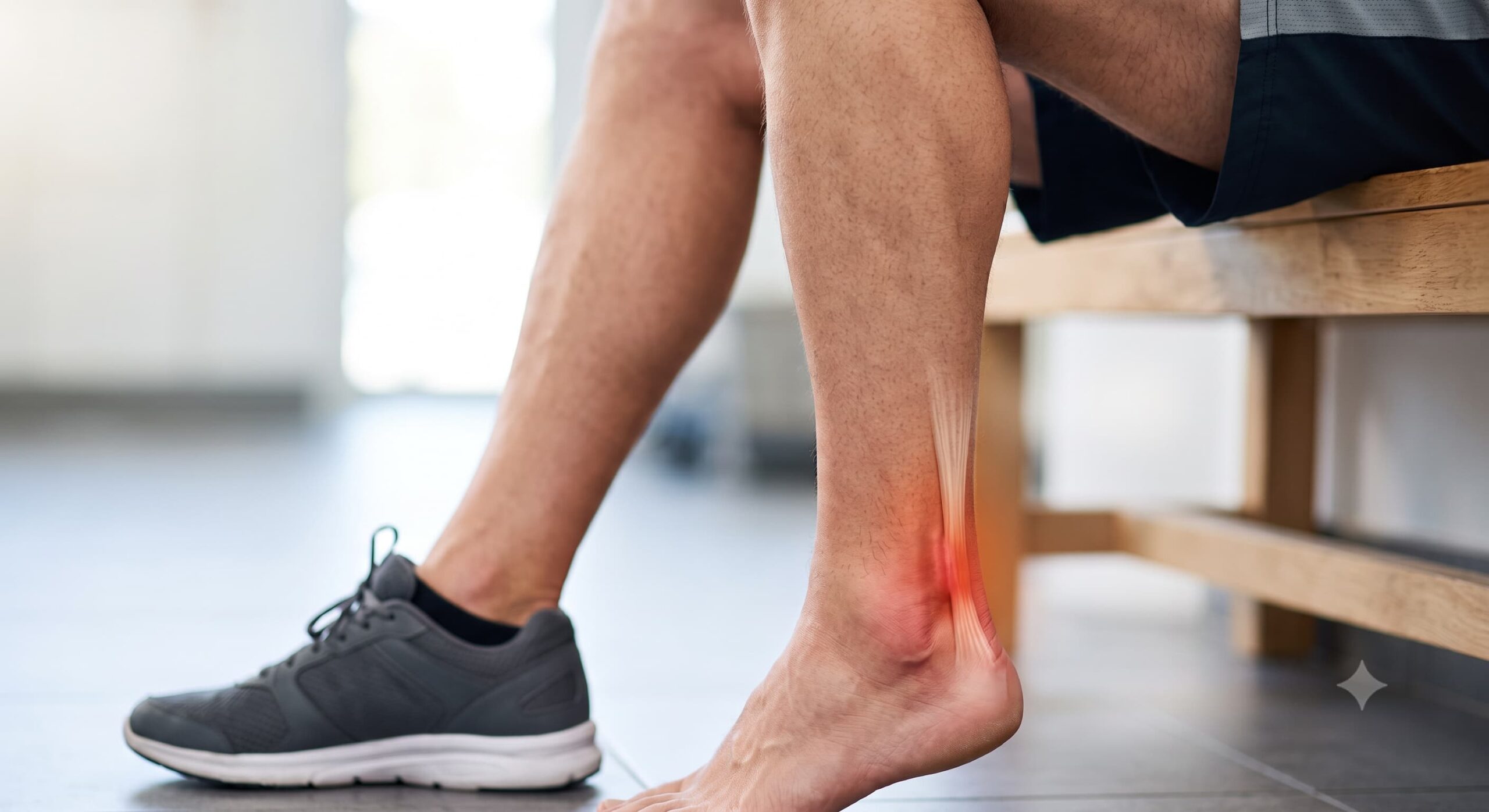
Achilles Tendinopathy in Endurance Runners: Stiff Mornings and Loading Fixes
Important Disclaimer: The information provided in this article is for educational and informational purposes only and does not constitute direct medical advice. Achilles tendon pain can range from mild irritation to a partial or full-thickness tear. Always consult with a licensed healthcare practitioner or medical doctor for a proper clinical diagnosis and personalized treatment plan before beginning any physical rehabilitation program. Achilles Tendinopathy in Endurance Runners: Stiff Mornings and Loading Fixes If you are a dedicated distance runner, a triathlete, or a functional fitness athlete, you know your body is going to ache after a heavy training block. A little muscle soreness...
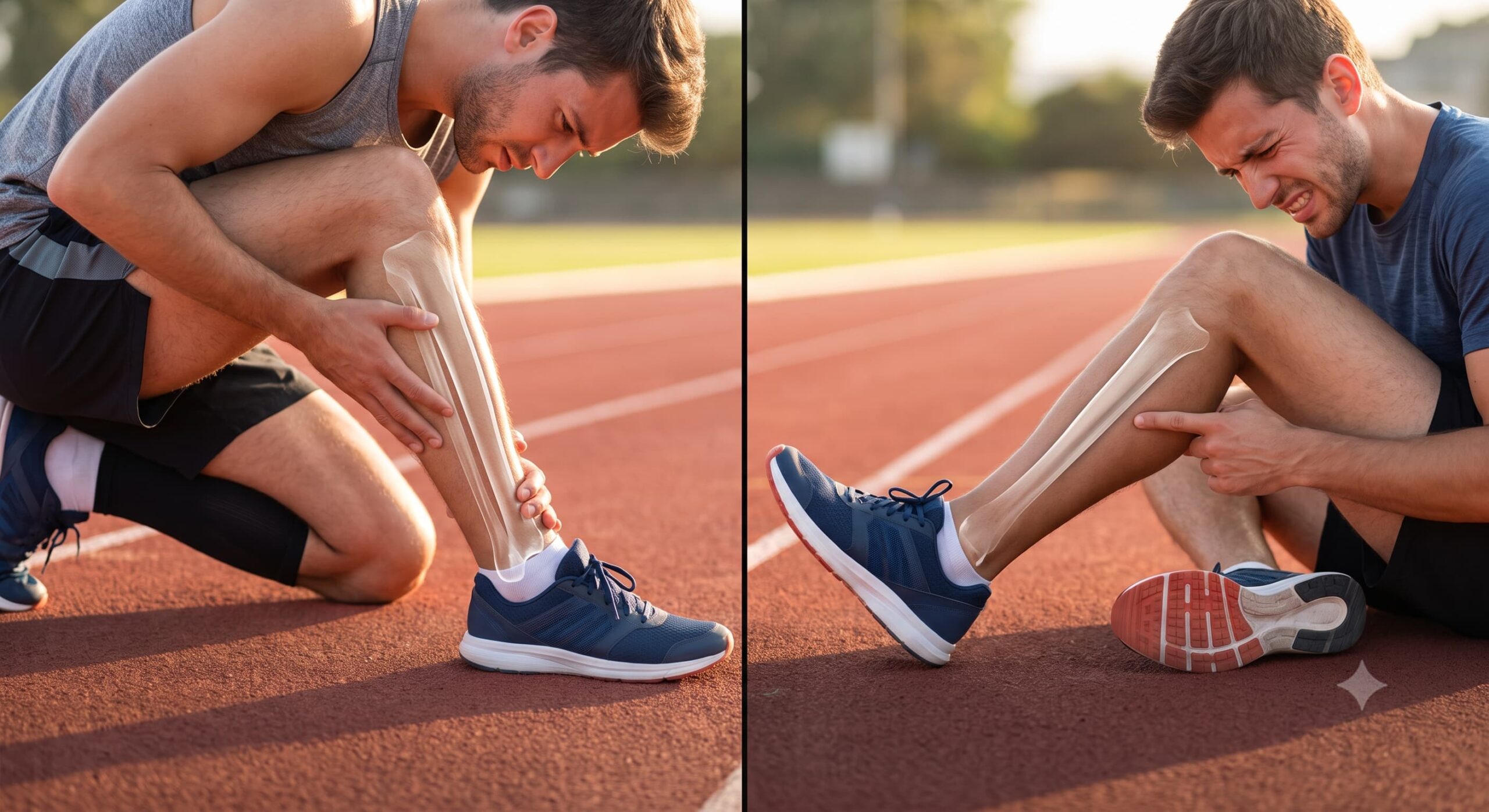
Shin Splints vs. Stress Fractures: Knowing When to Run Through It (And When to Stop)
Important Disclaimer: The information provided in this article is for educational and informational purposes only and does not constitute direct medical advice. Lower leg injuries can range from mild inflammation to severe bone fractures. Always consult with a licensed healthcare practitioner or medical doctor for a proper clinical diagnosis and personalized treatment plan before beginning any physical rehabilitation program. Shin Splints vs. Stress Fractures: Knowing When to Run Through It (And When to Stop) For endurance athletes, there is nothing quite as frustrating as a lower leg injury. Whether you are logging easy, restorative miles around Burnaby Lake or grinding through your...